The ecological
noise protection revolution
starts here.
Technically advanced. Environmentally superior.
The first noise barrier made from reed, thermowood and clay.

The future of noise protection lies in recycling.
REEDUCE is developing the first eco-friendly, standards-compliant noise protection technology made from reed, thermally modified timber and clay – compatible with existing steel beam systems and ready to meet future regulatory requirements.
Certified. Durable. Recyclable.
Why is a new noise control solution
needed?
The demand for noise protection is increasing every year – conventional structures
cannot usually be sorted by type or reused.
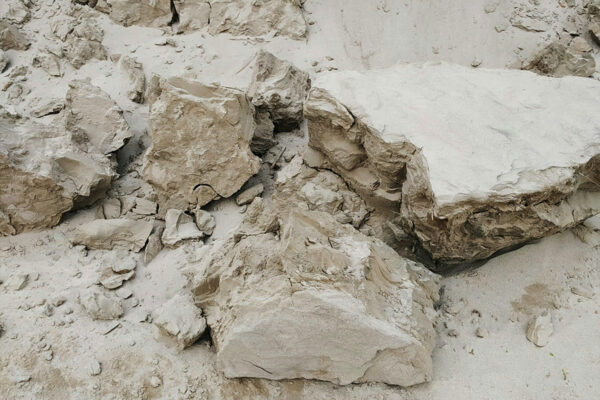
High carbon footprint of conventional systems
Concrete, aluminium and wood-concrete generate enormous emissions and run counter to today’s climate targets.
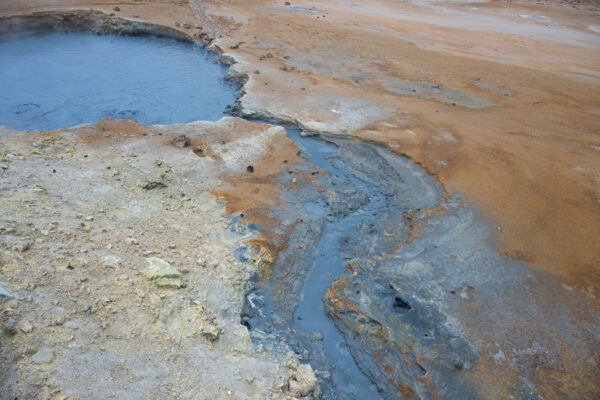
Toxic leaching into soil and water
Chemically treated timber leaches out harmful substances, polluting the environment and groundwater.
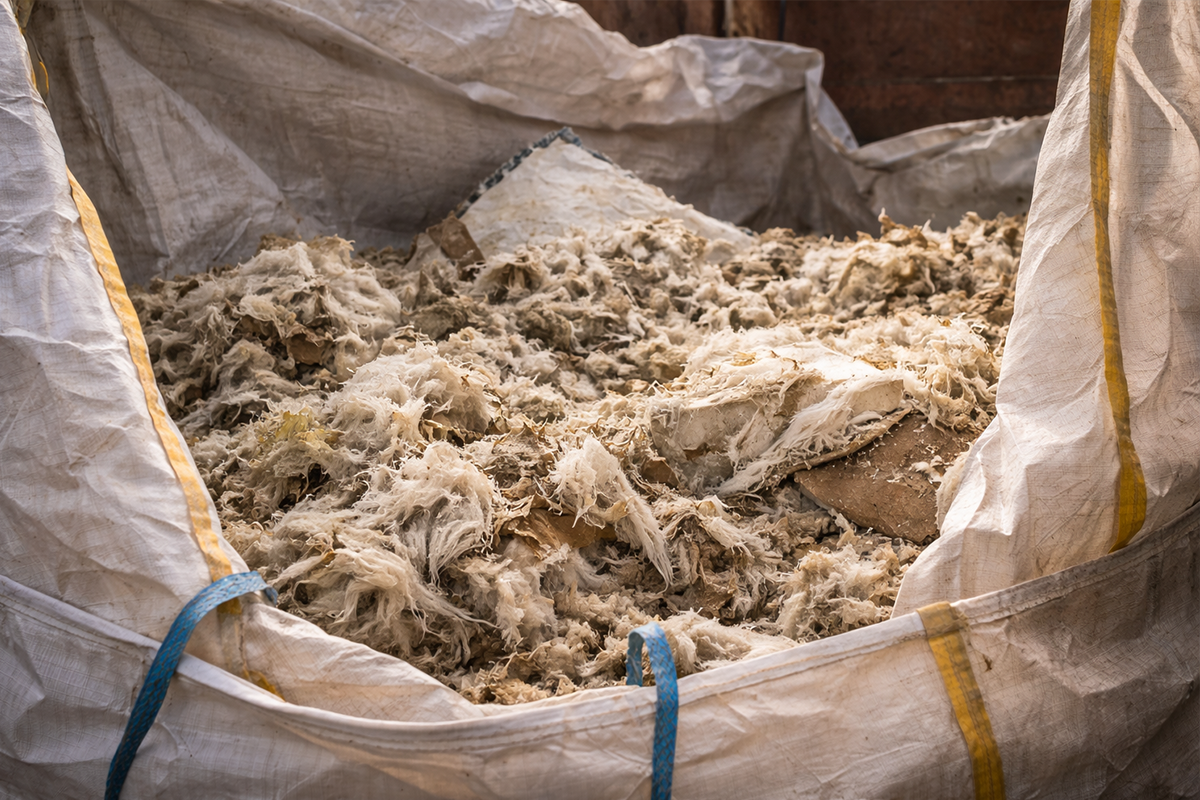
From 2027: Ban on the disposal of mineral wool
Outdated systems are based on materials that will no longer be permitted to be sent to landfill in future.
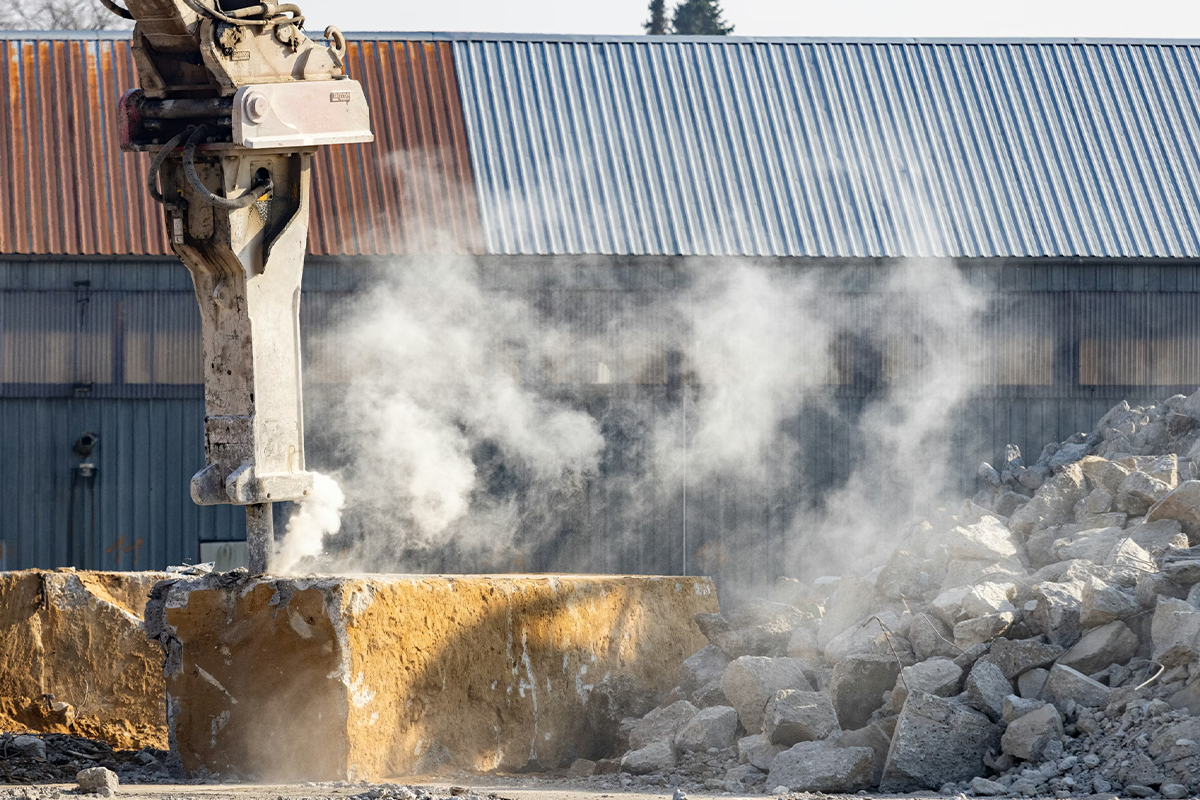
Materials are not
recyclable
Conventional designs cannot be sorted by type or reused.
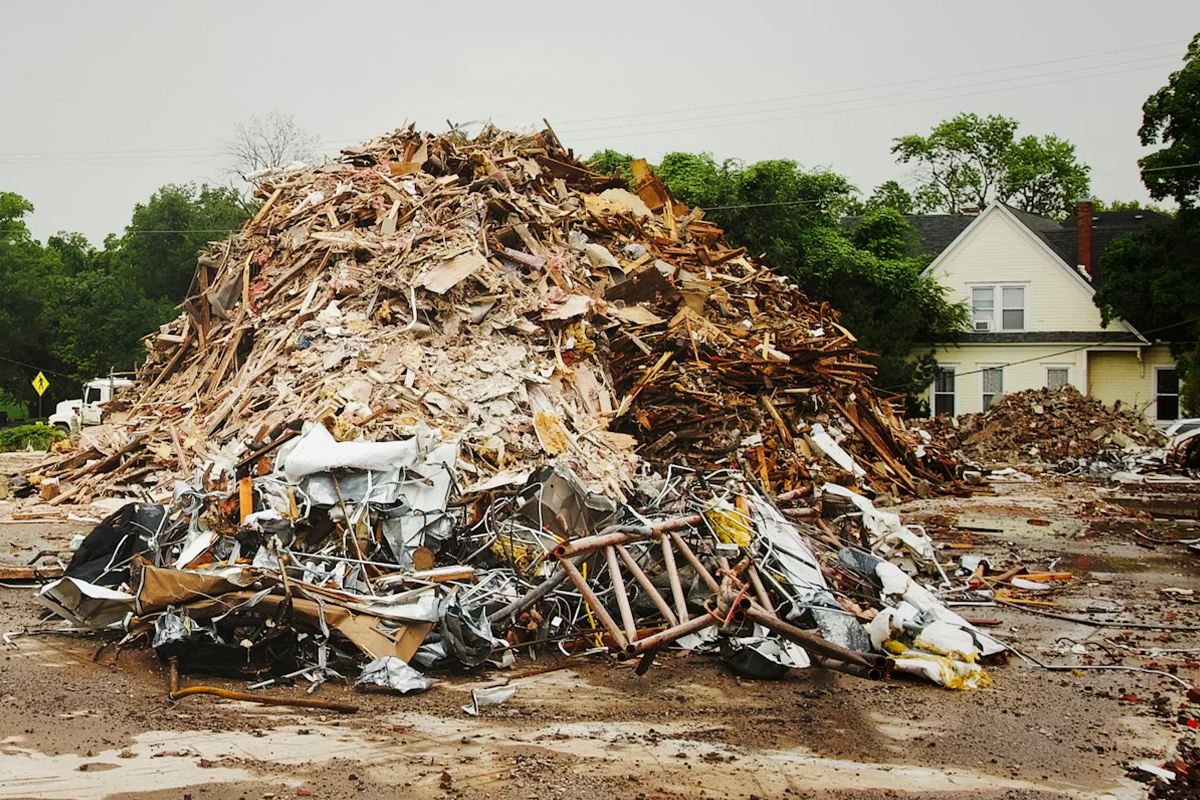
Costly hazardous waste disposal
Conventional noise barriers generate waste that is difficult to dispose of, with costs rising sharply.

Growing political pressure for sustainability
ESG criteria, EU regulations and climate targets call for new alternatives and sustainable solutions.

High carbon footprint of conventional systems
Concrete, aluminium and wood-concrete generate enormous emissions and run counter to today’s climate targets.
Toxic leaching into soil and water
Chemically treated timber leaches out harmful substances, polluting the environment and groundwater.
From 2027: Ban on the disposal of mineral wool
Outdated systems are based on materials that will no longer be permitted to be sent to landfill in future.
Materials are not
recyclable
Conventional designs cannot be sorted by type or reused.
Costly hazardous waste disposal
Conventional noise barriers generate waste that is difficult to dispose of, with costs rising sharply.
Rising political pressure for sustainability
ESG criteria, EU regulations and climate targets call for new alternatives and sustainable solutions.
High carbon footprint of conventional systems
Concrete, aluminium and wood-concrete generate enormous emissions and run counter to today’s climate targets.
Toxic leaching into soil
and water
Chemically treated timber leaches out harmful substances, polluting the environment and groundwater.
From 2027: Ban on the disposal of mineral wool
Outdated systems based on materials that will no longer be permitted to be sent to landfill in future.
Materials are not
recyclable
Conventional designs cannot be sorted by type or reused.
Costly hazardous waste disposal
Conventional noise barriers generate waste that is difficult to dispose of, with costs rising sharply.
Growing political pressure for sustainability
ESG criteria, EU regulations and climate targets call for new alternatives and sustainable solutions.
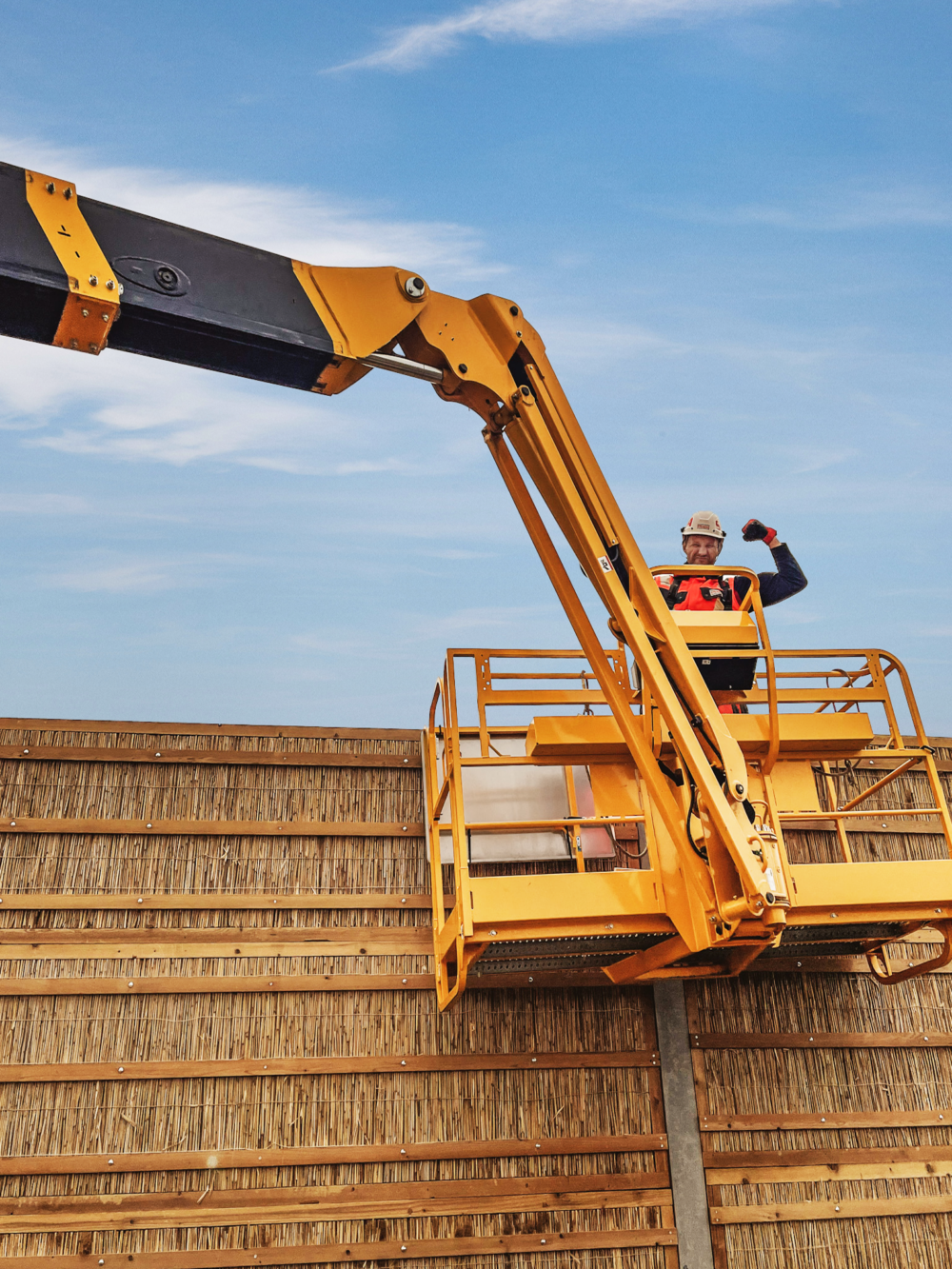
ECOLOGICAL. COMPLIANT WITH STANDARDS.
Our REEDUCE noise barrier
REEDUCE develops and manufactures an eco-friendly noise barrier for road and transport infrastructure.
It replaces CO₂-intensive materials with regional natural raw materials – without compromising on sound absorption, airborne sound insulation or service life.
To present the technical data in a concise, transparent and professional manner, all tested values, standards and measurement reports are available for download.
Environmental and economic benefits
Environmental benefits
-
Circular economy rather than hazardous waste:
Our system can be separated by material type and produces no problematic waste at the end of its life. -
CO₂ reduction across the entire life cycle:
Regional raw materials, thermally treated timber, significant CO₂ savings compared to concrete and aluminium. -
Protection and promotion of biodiversity:
The reed structure and insect habitats actively support the local ecosystem. -
Improved air quality:
Clay binds particulate matter – a benefit that is particularly relevant along busy roads. -
Solving real environmental problems:
The use of reeds supports the conservation and maintenance of the Lake Neusiedl ecosystem.
ECONOMIC BENEFITS
- Competitive purchase costs:
Potentially cheaper than concrete or aluminium systems when scaled up. - Lowest life-cycle costs:
No hazardous waste, no chemical impregnation, no expensive disposal processes. - No maintenance costs:
Unlike green roofs or chemically treated systems. - Compatible with steel beam structures:
Compatible with existing steel beam systems, ideal for refurbishments and the replacement of old components. - Stable, regional supply chains:
Regional raw materials and local production ensure stable supply chains, unaffected by market fluctuations.


“REEDUCE represents a new generation of noise protection: high-performance for infrastructure, environmentally friendly.”
Birgit van Duyvenbode
Founder | REEDUCE
Workshops & Field Trips
Experience nature. Understand innovation.
Make sustainability tangible.
Our programmes are aimed at:
Schools, companies (ESG & team-building), private groups

Planned formats
• Sustainability in noise protection
• The ecology of the reed belt
• Visit to the reed cutters
• Lean Management /
Visit to the production facility
• Materials workshops
• Tailor-made company modules

In cooperation with
Nationalpark Neusiedlersee,
Regionale Schilfbetriebe,
Schrenk GmbH,
LeanWorks GmbH
Certified. Durable. Recyclable.
Why REEDUCE makes a difference
The demand for noise protection is increasing every year – whilst, at the same time, conventional systems are coming under regulatory and environmental pressure.

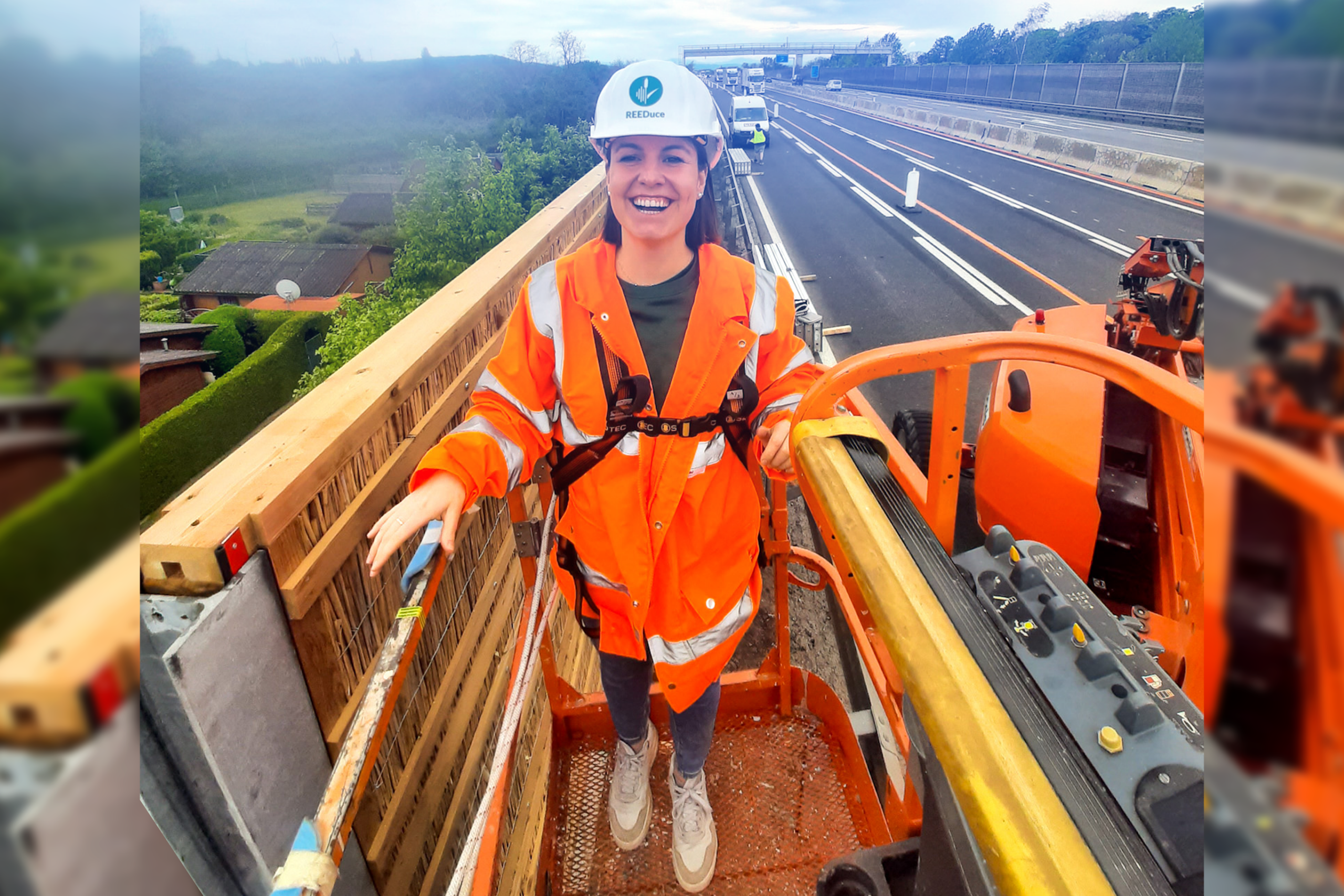
Security of supply
REEDUCE relies on locally available, renewable natural raw materials, thereby reducing dependence on global supply chains, energy-intensive primary materials and volatile raw materials markets.
The local sourcing and processing of reed, thermowood and clay strengthens regional value creation, enhances planning and supply reliability for infrastructure projects, and creates long-term jobs in the region.
At the same time, it enhances the security of supply for public construction projects, even under changing market conditions and in times of crisis.
Consistent performance
The results of the motorway trials conducted in 2008 and 2023 confirm the consistently high performance of the REEDUCE system under real-world operating conditions.
The performance data, which has been collected and verified over a period of more than a decade, shows stable, reproducible results – even under varying environmental and load conditions – thereby underlining the long-term technical reliability of the REEDUCE solution as a noise barrier for transport infrastructure.
Compliant with standards
The REEDUCE noise barrier has been designed, tested and documented in accordance with standards and meets the relevant technical requirements for use in road and transport infrastructure.
The design, calculation and performance assessment are carried out in accordance with the relevant regulations, including EN 14388 (Noise barriers on roads), ZTV-Lsw 06 (Supplementary Technical Contract Conditions for Noise Barriers).
The REEDUCE solution is therefore technically compatible with and suitable for tendering as a noise barrier for public infrastructure projects.
About us
Thinking one step further:
Step by step, until it works.
REEDUCE came about because we saw a solution that worked and decided to make it a reality.


Nina Hitner
FREQUENTLY ASKED QUESTIONS
FAQ on REEDUCE
Won’t a noise barrier made of reeds and wood catch fire straight away?
The materials alone say little about the fire behaviour of the entire component. According to the product data sheet, the REEDUCE RS1 meets the requirements for Class 1 resistance to undergrowth fire. This test relates to a specific fire scenario; it does not mean that the wall is non-combustible.
Is it even permitted to erect a noise barrier made of natural materials alongside a motorway?
Noise barriers made from natural materials must also meet the technical requirements for their intended use. These include, amongst other things, acoustic performance, structural stability, and safety and environmental requirements. For the RS1, the product data sheet sets out the relevant performance characteristics and test results.
How well does the wall block out noise?
According to the product data sheet, the RS1 achieves 32 dB of airborne sound insulation and 5 dB of sound absorption. These figures describe different properties: how much sound passes through the element and how much incident sound it absorbs. The extent to which noise levels are actually reduced for neighbouring residents also depends on the height, length, terrain and position of the wall.
Will it actually last? How much maintenance does the wall require, and what happens to the materials at the end of their useful life?
The RS1 is designed for long-term outdoor use with a service life of at least 20 years. A pilot section on the A22 near Langenzersdorf has been in place since 2008. Thermowood and the structural design ensure durability, eliminating the need for regular painting or impregnation. The surface ages naturally without automatically losing its functionality. No scheduled maintenance costs are incurred during normal operation.
The construction allows for the separation of the different materials.
This creates the conditions for further use or recycling.
Does reed harvesting harm the environment, and what about the insects?
A healthy reed bed thrives on the diversity of its vegetation. As we learnt during our discussions with the Neusiedler See-Seewinkel National Park, different bird species need both young and older reed beds: as breeding grounds, feeding grounds and sheltered refuges.
Targeted winter harvesting outside the breeding season creates space for new growth, whilst uncut areas preserve older stalks and sheltered structures. If stands remain permanently unmanaged, they can become overmature and collapse, leading to the loss of valuable habitats. It is therefore crucial to carry out a spatially coordinated harvest with sufficient untouched refuge areas. In this context, nature conservation also means taking targeted action to preserve this diversity.
The harvested reed stalks can subsequently serve as nesting sites for certain insects in our noise barrier, thereby creating additional habitat.
Why are noise barriers needed, and why is noise harmful to health?
Traffic noise takes a toll on the body even when we think we have got used to it: it can trigger stress responses, disrupt sleep and, in the long term, increase the risk of cardiovascular disease and type 2 diabetes. This is highlighted by the WHO and the European Environment Agency.
The WHO recommends reducing road traffic noise to below 53 dB as a weighted average over day, evening and night, and to below 45 dB as a night-time average.
Where people are exposed to noise on a long-term basis, effective protection is needed; noise barriers are installed along the path of sound propagation: They shield residential areas from traffic and can simultaneously protect many local residents, including those in gardens, on terraces and with windows open. When properly planned and dimensioned, they permanently reduce noise levels without people having to restrict their daily lives. Particularly along busy roads, they thus make an important contribution to a more restful living and sleeping environment.
Jobs
Contact
A conversation is the first step towards a more peaceful future.